Skip to content

Benefits Of Steeping Green Tea Over Boiling Or Simmering

Steeping tea is a process that allows the flavors and antioxidants to develop in the tea. Boiling or simmering green tea destroys its flavor and antioxidant properties. Steeping vs. boiling or simmering tea can differ in taste and health benefits.

What is Steeping Tea?

Steeping tea means soaking tea leaves in hot water, usually for a while. It allows the flavor and aroma of the tea to develop and be more pronounced.

The health benefits of steeped tea are many. First and foremost, steeping tea allows the flavors and antioxidants to develop, unlike boiling or simmering tea, which destroys these properties. Steeping also provides a more subtle flavor than if the tea were brewed using other methods. Additionally, steeped tea has been shown to have health benefits such as reducing inflammation and improving heart health.

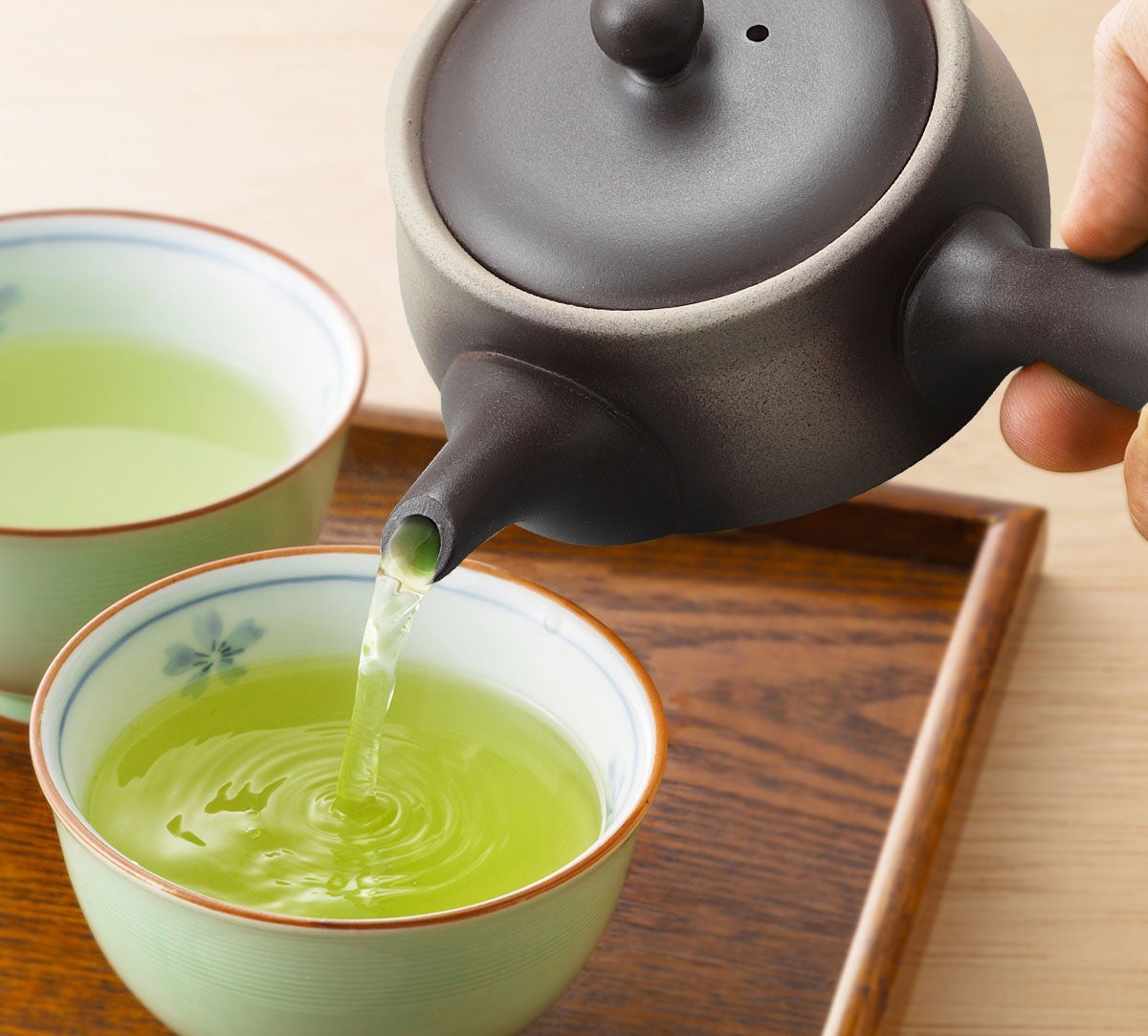
Drinking steeped green tea

Why Is Steeping Tea Better Than Boiling or Simmering?

Here are the reasons: First, boiling or simmering water can damage the tea leaves because boiling and simmering water cause the water to reach a boil and then simmer. These temperatures increase the heat levels inside the teapot or saucepan, damaging delicate tea leaves. On the other hand, steeping allows water to steep in the pot for a longer period of time. This tea brewing method allows more of the flavor and nutrients in the tea leaves to come through. Steeping also helps prevent bitterness from developing in your tea. Finally, steeping tea allows for a more subtle flavor than if the tea were brewed using other methods.

Cons of steeping tea

There are a few potential cons to steeping tea over a boil or simmer. First, if you steep it over boiling water, the tea may become too hot and strong, while if you steep it over simmering water, the tea may become too weak and watered down. Third, if you steep it for too long, the tea may start to taste bitter. Finally, if you steep improperly (i.e., using cold water instead of hot), the tea may not brew properly and will be bitter tasting.

Cons of steeping green tea

What are the Benefits of Steeping Tea?

There are many benefits to steeping tea over boiling or simmering. Steeping allows for more flavor and aroma to be extracted from the tea leaves, which results in a more flavorful cup of tea. Additionally, steeping tea can help preserve the health benefits of the herbs and botanicals used in the blend. Brewing tea slowly preserves vitamins and minerals in the drink instead of losing them quickly. Finally, by steeping tea, you can avoid possible bitterness and astringency resulting from overbrewing.

What Kinds of Teas can be Steeped?

Many different types of tea can be steeped, including black, green, oolong, white, and pu-erh. Black tea is the most popular type of tea globally, but many other types of tea are just as delicious. Green and white teas are often used for iced tea or herbal teas. Oolong and pu-erh teas can be enjoyed hot or cold.

drinking japanese green tea

How to Steep Teas

These are the steps usually done on many kinds of teas to give you an idea of how to steep them. For the best flavor, check the label or search how to prepare your preferred specific kind of tea.

Black tea

Brewing black tea is simple. Add hot water to the tea leaves and let them steep for 3-5 minutes. More time will result in a stronger tea, while less time will produce a weaker cup. Once brewed, black tea can be enjoyed hot or cold.

Oolong tea

There are many ways to prepare oolong tea, but the most common is to steep it in hot water. How long you steep oolong tea will depend on the type of oolong you are drinking, but generally speaking, oolong teas should be steeped for 3-5 minutes.

 oolong tea

One of the benefits of oolong tea is its antioxidants, meaning that oolong tea can help protect against diseases like cancer. Additionally, oolong tea has anti-inflammatory properties, which can help reduce pain and inflammation in the body.

Pu-Erh Tea

To steep Pu-erh tea, pour about 1 cup of hot water into a teapot or mug. Add 2–3 teaspoons of Pu-erh tea and steep for 3–5 minutes, stirring occasionally. Steeping Pu-erh Tea longer will add more flavor and caffeine to your tea.

Pu-erh tea has a deep, dark color and a strong, earthy flavor. It has many health benefits, including reducing anxiety and depression, improving cognitive function, and boosting energy levels. By steeping Pu-erh over boiling or simmering water for an extended period, the tea's polyphenols will be released into the water. These polyphenols are responsible for many of Pu-erh's health benefits.

White tea

To prepare white tea, you will need to steep the leaves in hot water for about 3–5 minutes.

First of all, steeping white tea allows the delicate flavor and aroma of the tea to come through. Steeping over hot water preserves more flavor and aroma than boiling or simmering. Second, you avoid any potential bitterness that could occur from overcooking the leaves. Third, steeping white tea over hot water prevents possible oxidation from boiling or simmering.

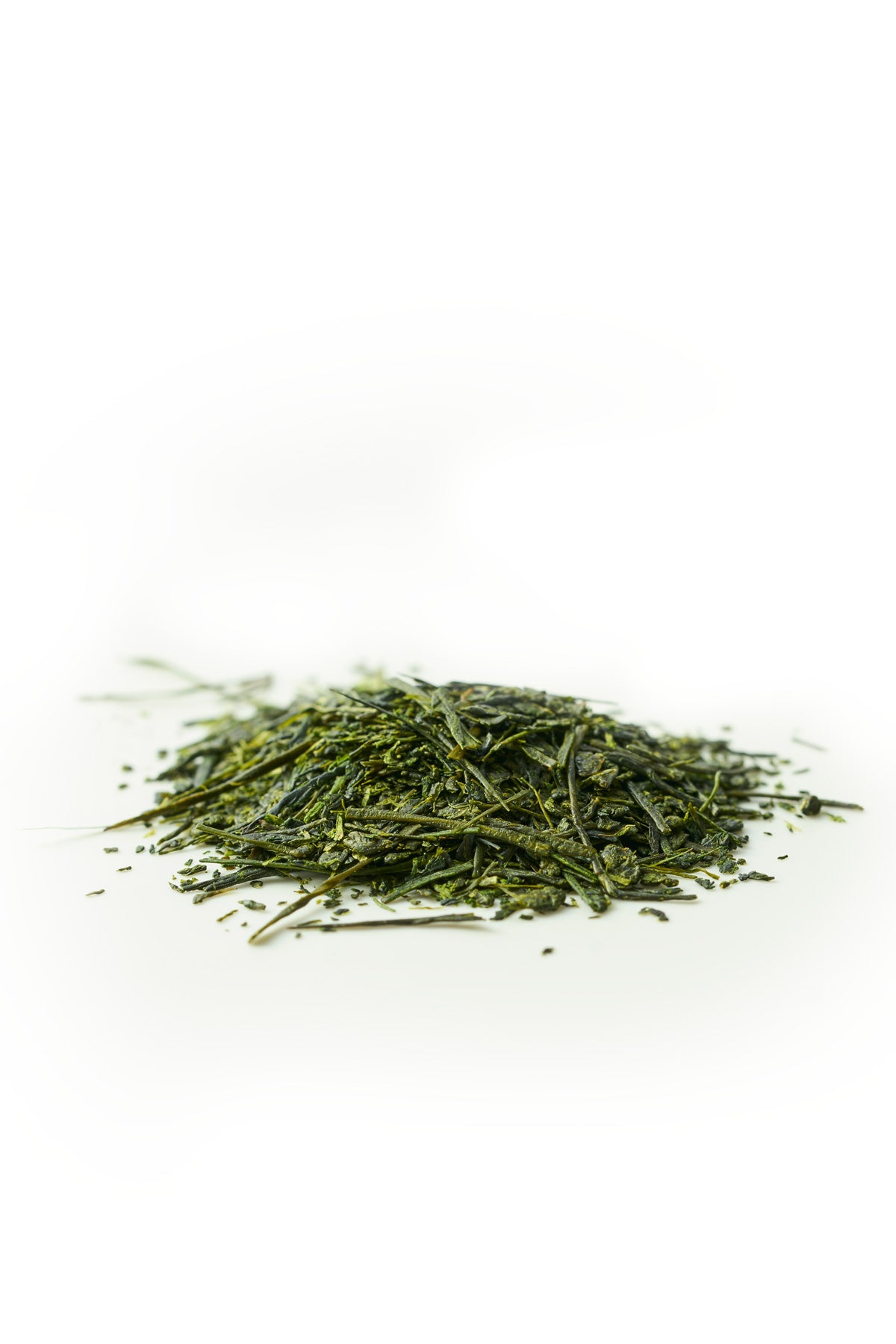
Japanese green tea

Green tea

The most common way is to heat water to a rolling boil, let it cool a bit, and then pour it over the tea bag or tea leaves. Steeping for three minutes is usually enough time for most green teas. Steeping green tea allows the beneficial compounds in the tea leaves to break down, which gives you a richer flavor and more antioxidants. You can also enjoy green tea by boiling or simmering it, but steeping is the healthiest way to drink it.

Steeping tea is a simple and easy way to enjoy your favorite drink. It offers many benefits, including reducing the amount of caffeine in your cup, improving flavor, and making sure you get the most nutrients out of your tea. So have a cup of tea and let your mind relax before doing your daily routine again.

FAQs about Steeping Green Tea Properly

What's the ideal water temperature for green tea, and why does it matter so much?

For most Japanese green tea (sencha), aim for 70–80°C / 160–175°F. The reason is chemistry: the umami amino acids (L-theanine, glutamate) extract well below 80°C, but the bitter catechins and the harsh tannins extract aggressively above 85°C. So at boiling, you pull out everything bitter before you've had a chance to taste the sweet umami underneath. Lower temperature = sweeter, mellower cup; higher temperature = grassy, bitter cup.

Easy way to hit the right temperature without a thermometer: bring water to a boil, then let it sit for 60–90 seconds in the kettle, or pour it once into your empty teapot first (which cools it 10°C), then into your cups, then back over the leaves. The technique is called yuzamashi (湯冷まし — 'cooling the water'). A good single-origin sencha rewards this kind of attention with a noticeably sweeter cup.

How long should I steep different types of Japanese green tea?
Each type has its own window. Sencha: 60–90 seconds at 70–80°C. Gyokuro: 90 seconds to 2 minutes at a much lower 50–60°C — almost lukewarm. Hojicha: 30–45 seconds at near-boiling (95–100°C) — hojicha is roasted, so it actually wants hot water, the opposite of sencha. Matcha is whisked, not steeped — water at 70–80°C is added directly to powder. Bancha and genmaicha: 1–2 minutes at 85–90°C.

The big surprise for new drinkers is gyokuro. It looks ridiculous — barely-warm water, a tiny pour, only a sip — but the result is a concentrated umami broth that's unlike anything else. Gyokuro is the one tea where over-steeping or over-heating ruins it instantly, so it's worth getting right. For variety, the Sencha Lover Gift Set lets you practice the standard sencha brewing method on a few different cultivars.

Can I re-steep green tea leaves, and how does each steep taste different?

Yes — and re-steeping is genuinely one of the best parts of drinking Japanese green tea. Most loose-leaf sencha gives you 3 good steeps from the same leaves: the first is bright and grassy with the most umami, the second is fuller-bodied and slightly more bitter, the third is mellower with subtle vegetal notes. Each steep is a different drink. The trick is shorter steeping for each subsequent pour — second steep should only need 30 seconds, third about 45, with slightly hotter water each time.

Tea bags don't re-steep well because the leaves are already broken down. For the multiple-infusion experience, you need whole-leaf loose tea brewed in a kyusu. Issaku reliably gives you 3–4 distinct steeps before flavor drops off — that's what makes a 50g bag stretch much further than it looks.

I accidentally poured boiling water on my green tea — is it ruined?

Not entirely, but the cup will be more bitter than ideal. Boiling water (100°C) extracts catechins and tannins fast, leading to that astringent, tongue-stripping aftertaste. Quick fix: drink the cup immediately at full strength, or add a splash of cold water to dilute. Don't let leaves sit in boiling water — pull them out within 30 seconds rather than the usual 60–90.

If you regularly only have boiling water available (electric kettle without temperature control), switch to roasted hojicha or genmaicha as your daily tea — both are designed for hot water and won't get bitter. Save sencha for when you can do proper temperature control. Or invest in a variable-temperature kettle; it changes how good your everyday tea tastes more than upgrading the leaves does.

Is cold-brewed green tea better or worse than hot-brewed?

Different, not worse — and in some ways healthier. Cold-brewing (steeping leaves in cold or room-temperature water for 4–8 hours in the fridge) extracts L-theanine and amino acids efficiently while leaving most catechins and caffeine in the leaf. The result is a sweeter, smoother, almost juice-like cup with about half the caffeine of hot-brewed and a much higher relative dose of relaxing L-theanine.

It's especially good for hot weather and for people who find hot green tea too bitter. Use about 1.5× the usual leaves (cold extraction is gentler), pour cold water over them in a pitcher, and refrigerate overnight. The same sencha you drink hot tastes completely different cold-brewed; it's worth doing once just to taste the contrast. Matcha can also be cold-shaken — drop powder in a sealed jar with cold water and ice, shake, and you have iced matcha without a whisk.

Related products

8 reviews

The Sencha Lover Gift Set - Premium Japanese Green Tea Set Package
$179.00 $159.99
Quick view

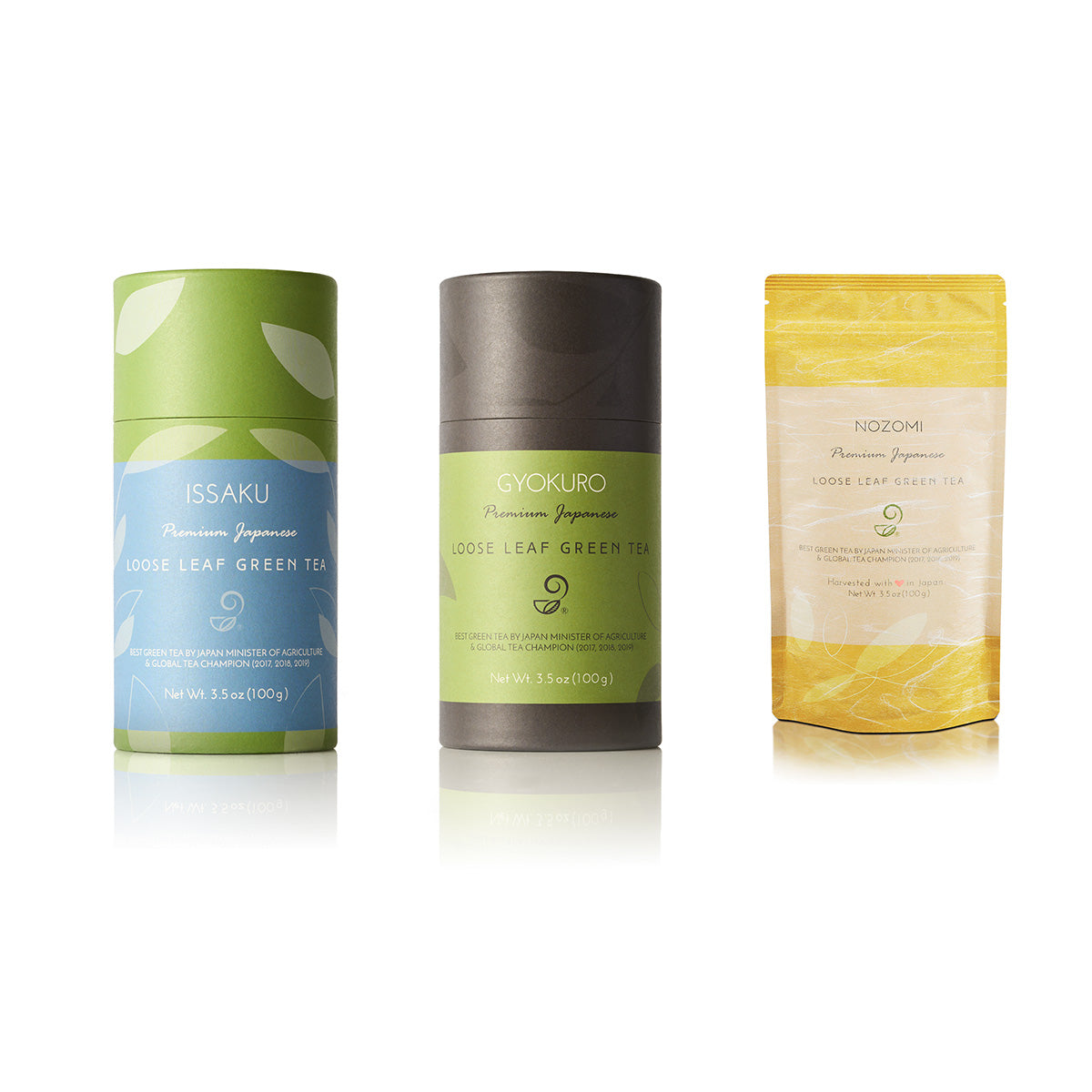
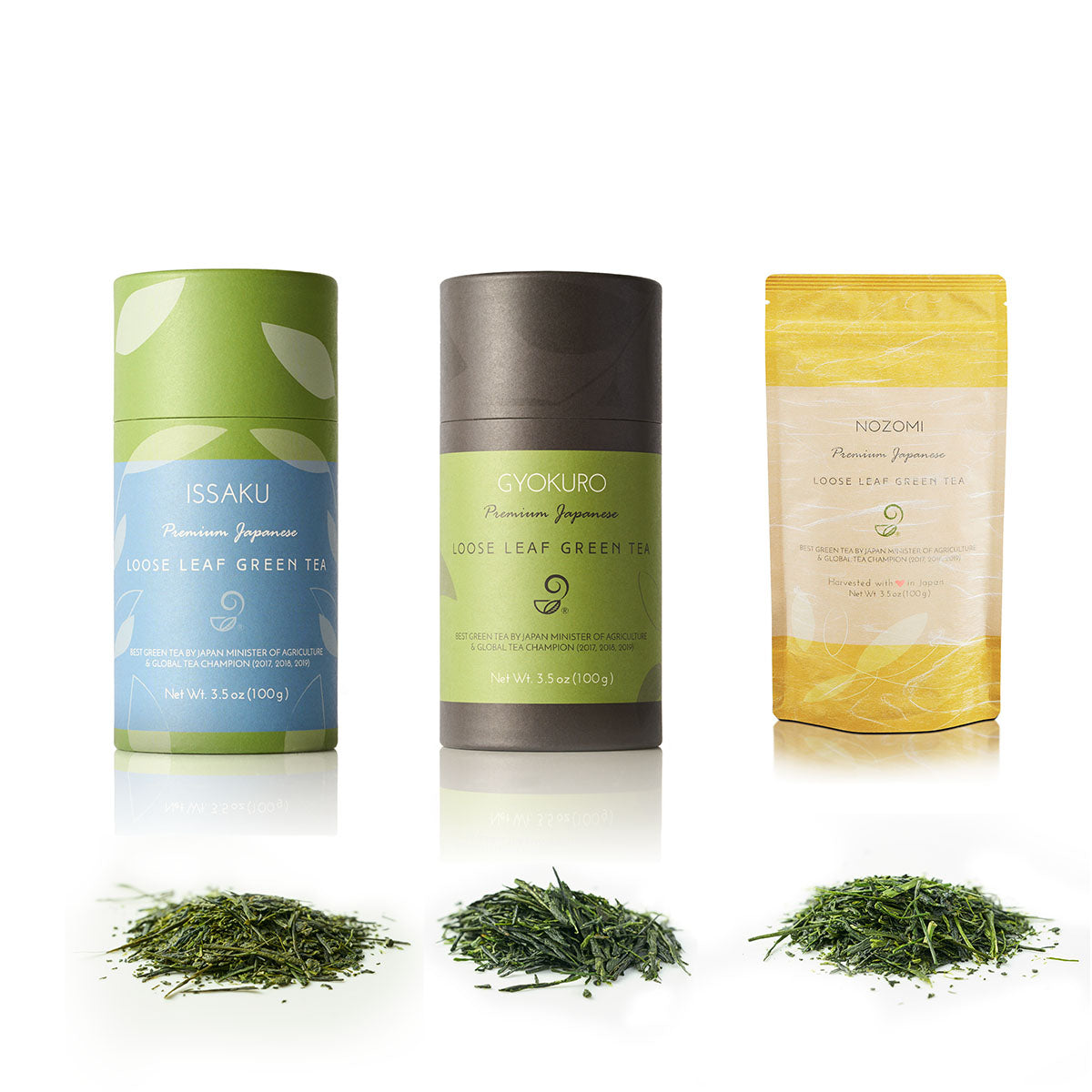
This tea set features three exceptional Japanese green teas, each crafted with care and traditional techniques. Issaku Reserve, a Global Tea Champion winner in 2017 and 2019, is a rare masterpiece created by Farm Master Mr. Arahata at Arahataen Green Tea Farm. Handpicked once a year from the first flush and processed with advanced methods, Issaku represents the highest-grade deep-steamed green tea, available only in limited quantities even in Japan.

The set also includes Gyokuro, a premium shaded green tea known for its rich, sweet flavor and deep mossy green color. Grown under special mats for 20 days to increase caffeine and amino acid levels, Gyokuro offers a layered, smooth taste unlike any other. Completing the collection is Nozomi, a fine Kabuse-cha, or "Covered Green Tea," carefully grown under nets to gently shade the leaves just before new sprouts emerge, resulting in a soft, rich, and refined flavor profile.

97 reviews

Gyokuro - Shaded Imperial Premium Green Tea

$65.00
Quick view

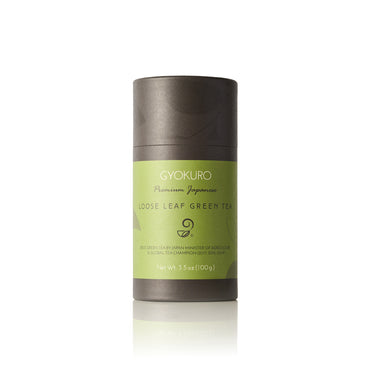
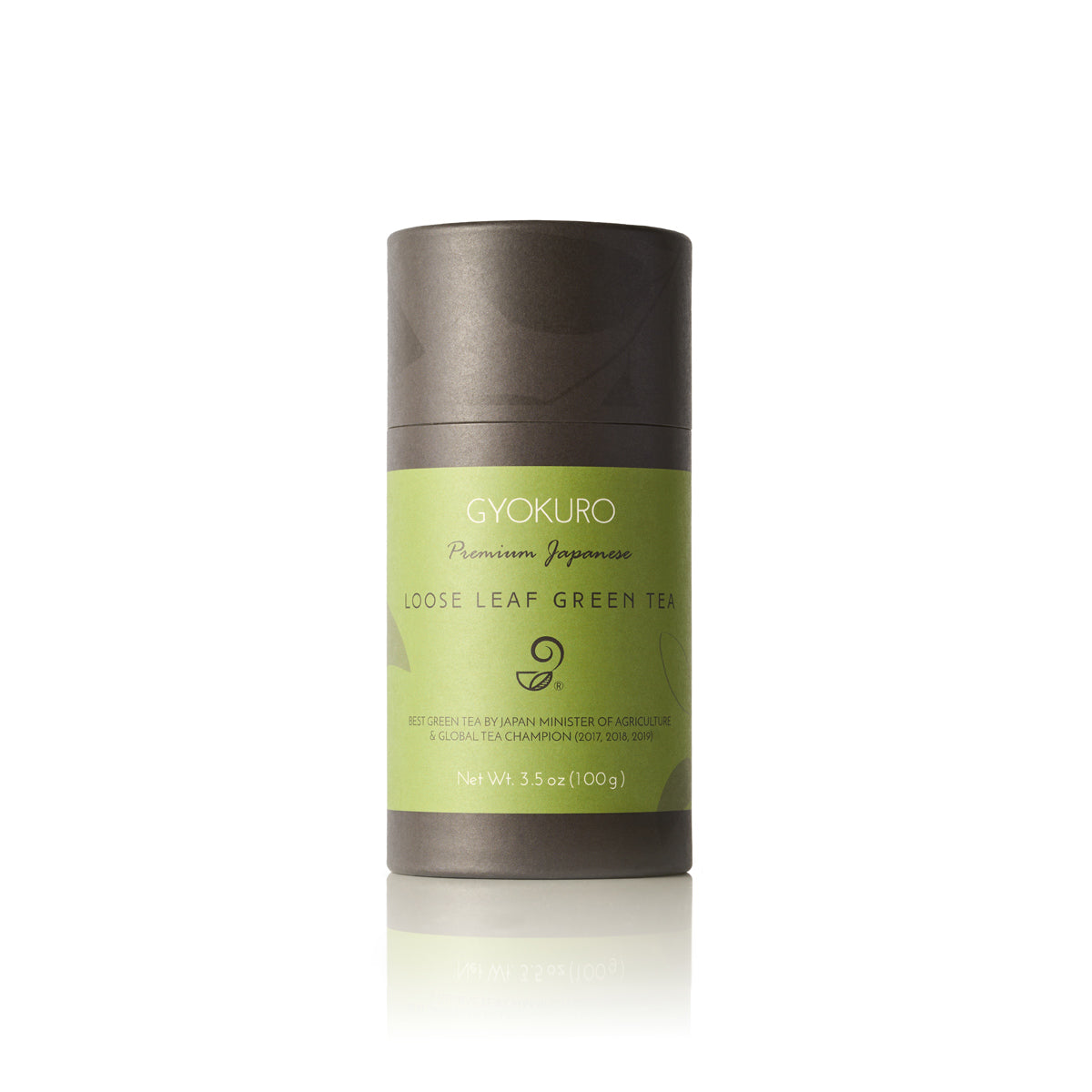
Gyokuro, also known as "jade dew" or "jewel dew tea," is a premium Japanese green tea shaded from the sun for 20 days using specially made mats, a method that boosts caffeine levels and strengthens amino acids to create a sweeter, richer flavor. This extended shading process results in dark, mossy green leaves with an unmistakable aroma and a complex taste that is layered yet balanced. Cultivated by the Chagusaba method in nutrient-rich sugarcane soil and made from the Yabukita cultivar, this loose-leaf authentic Gyokuro is offered in a high-quality, air-tight paper tube canister (chyazutsu) to preserve its exceptional freshness and flavor. Each 3.5 oz (100g) full-size package steeps 30–40 cups, and a convenient single-serve sample is also available.

148 reviews

Issaku Reserve - Limited Premium Green Tea (Global Tea Champion 2017, 2019)

$80.00
Quick view

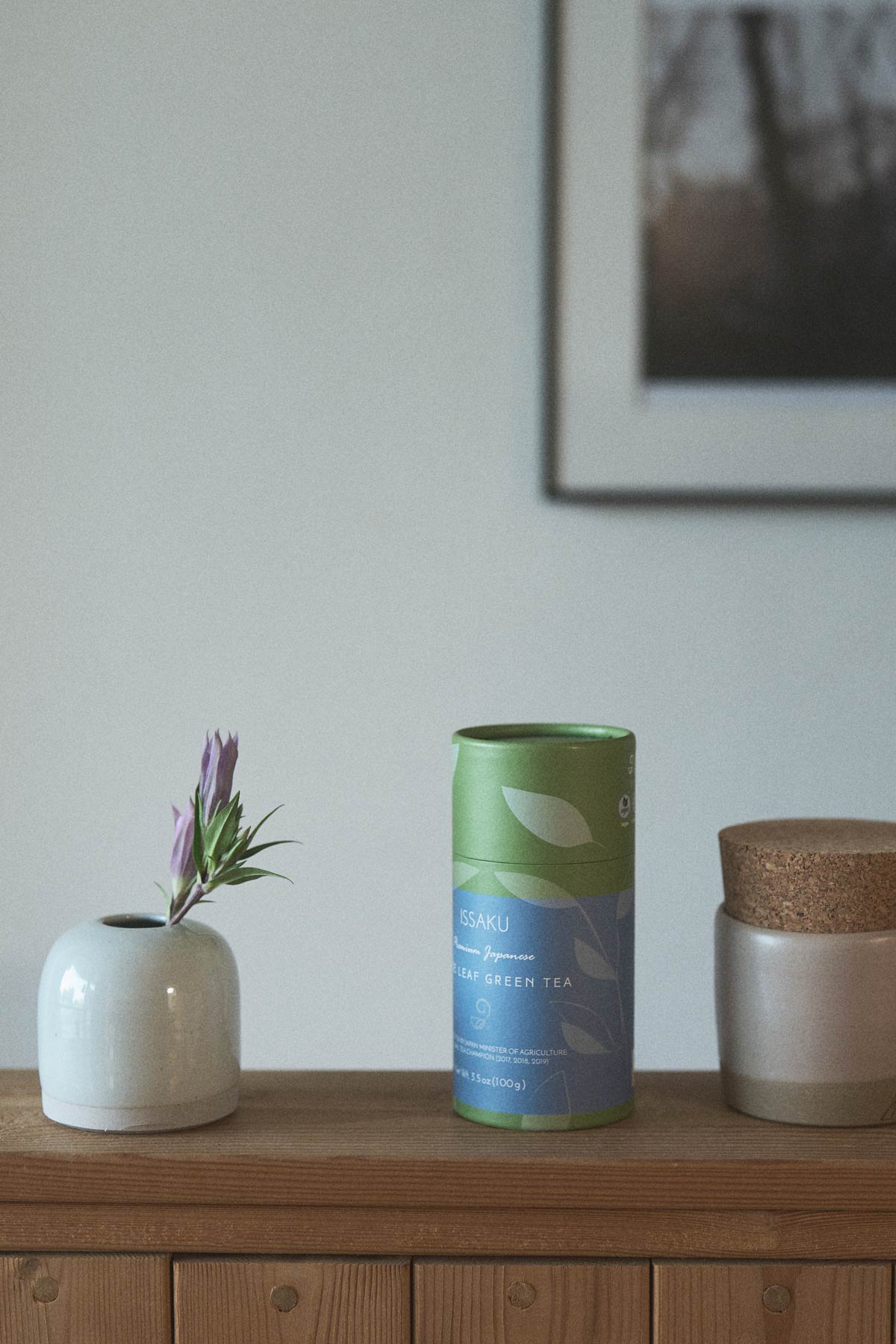
Issaku Reserve is a premium green tea masterpiece created by Mr. Arahata at Arahataen Green Tea Farm, offering a truly authentic and traditional Japanese tea experience. Handpicked once a year from new crops and crafted through a meticulous, complex process, Issaku Reserve is the farm’s highest-grade tea, produced in limited quantities and prized even in Japan. Winner of the Global Tea Championship in 2017 and 2019, this exceptional tea is made from the Yabukita cultivar and cultivated using the Chagusaba method in nutrient-rich sugarcane soil. It comes in a high-quality, air-tight paper tube canister containing 3.5 oz (100g), enough to steep 30–40 cups, with a single-serve 0.3 oz (10g) sample also available to preserve its rich flavor and outstanding freshness.

7 reviews

The Beginner Gift Set - Premium Japanese Green Tea and Japanese Tokoname Kyusu Teapot

$195.00 $156.00
Quick view

This set includes our Premium Gyokuro, a shaded loose-leaf Japanese green tea known for its deep, rich flavor and smooth sweetness. Grown under specially made mats for 20 days, Gyokuro’s cultivation increases caffeine and amino acid levels, giving the leaves their distinctive mossy green color and a unique, layered taste. The careful shading process also imparts a particular aroma that sets this tea apart from all others.

Paired with the tea is a high-quality Tokoname Yaki Kyusu teapot, crafted in Tokoname City, Japan. Designed specifically for deep-steamed Fukamushi tea, this 9 oz (270cc) teapot features a fine mesh strainer, a wide opening for easy cleaning, and an optimal shape to enhance the tea's flavor by allowing better contact between the tea leaves and hot water.


Related Articles You May Be Interested

How to Brew Tasty Japanese Green Tea
Everything You Need To Know About 2nd Infusion
10 Green Tea Mistakes: Don’t Do These Mistakes When Brewing Green Tea
Is Using The Microwave Good For Green Tea? - The Answer May Surprise You
Can Teapot Make Your Green Tea Taste Better? - Facts About Tokoname Teapot (常滑急須)
Can Teapot Make Your  Green Tea Taste Better?  - Facts About  Tokoname Teapot (常滑急須)

Get Free Bonus Books

Join Green Tea Club

Sign up for free to the Green Tea Club to get advice and exclusive articles about how to choose Japanese Tea, and tips, tricks, and recipes for enjoying Japanese tea.

Unsubscribe anytime. It’s free!

About the author

Kei Nishida

Kei Nishida

Author, CEO Dream of Japan

info@japanesegreenteain.com

Certification: PMP, BS in Computer Science

Education: Western Washington University

Kei Nishida is a passionate Japanese green tea connoisseur, writer, and the founder and CEO of Japanese Green Tea Co., a Dream of Japan Company.

Driven by a deep desire to share the rich flavors of his homeland, he established the only company that sources premium tea grown in nutrient-rich sugarcane soil—earning multiple Global Tea Champion awards.

Expanding his mission of introducing Japan’s finest to the world, Kei pioneered the launch of the first-ever Sumiyaki charcoal-roasted coffee through Japanese Coffee Co. He also brought the artistry of traditional Japanese craftsmanship to the global market by making katana-style handmade knives—crafted by a renowned katana maker—available outside Japan for the first time through Japanese Knife Co.

Kei’s journey continues as he uncovers and shares Japan’s hidden treasures with the world.

Learn more about Kei Nishida

Related Posts

What is Shincha - New Crop Tea and What Makes them Unique?
What is Shincha Tea and What Makes It Unique?

Discover the secrets of Shincha, Japan's acclaimed new crop tea. Explore its distinct features, flavors, and traditions.

Read More
Meet Eijiro Tsukada (塚田英次郎): The Charismatic Businessman Behind Cuzen Matcha — Now Available at Japanese Green Tea Co.

Meet Eijiro Tsukada — the man behind Cuzen Matcha. Full guide to the award-winning Matcha Maker, the Pro, and why we're

Read More
Behold: Balmuda's "The MoonKettle" — Where Boiling Water Becomes Art

We were privileged to be invited by Balmuda's Private MoonKettle Launch Event. Here are videos of it and everything you

Read More
Leave a comment

Your email address will not be published..

Cart

Your cart is currently empty.

Start Shopping

Select options